
The ESM Foundation Turns 75!
On September 17, the ESM Foundation celebrated its 75th anniversary with a themed afternoon on critical raw materials at the Hotel Bellevue Palace in Bern.
Whether it’s the energy transition, digitalization, geopolitical tensions, or security considerations: critical raw materials have become a strategic factor for the economy, technology, and politics. Together with representatives from politics, government, industry, and research, as well as international experts, we discussed the significance of this development for Switzerland and the paths that could lead to a more resilient supply of raw materials.

In his opening remarks, Ernst Lutz, President of the Board, highlighted the remarkable relevance of the foundation, which was established in 1951. Even the ESM’s founding charter addressed metals such as lithium, cobalt, indium, and germanium – raw materials that are once again at the center of global debates today. The fundamental question has remained the same over the past 75 years: How can Switzerland’s technological and economic resilience be safeguarded in a world where value chains are increasingly exposed to geopolitical risks?
Over the course of the afternoon, we examined the current challenges facing the global supply of raw materials as well as potential strategies for Europe and Switzerland. Discussions focused on the increasing concentration of mining and processing capacities, the vulnerability of global supply chains, the role of international partnerships, and the importance of diversification and innovation. Other agenda items focused on the Swiss industry’s perspectives on critical raw materials and the question of which political, economic, and technological measures can strengthen supply security in the long term.
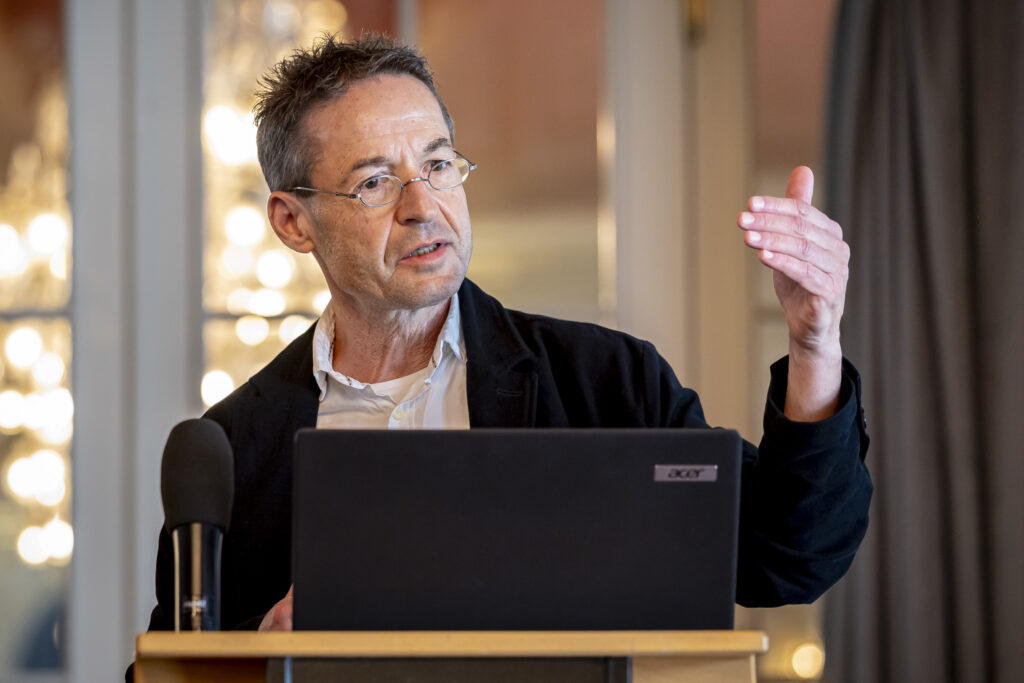
It was particularly emphasized that Switzerland remains dependent on reliable international partnerships to ensure a secure, diversified, and sustainable supply. Furthermore, the perception of “Switzerland as a country poor in raw materials” was critically examined: After all, numerous valuable metals are already present today in products, infrastructure, and end-of-life equipment within the country. A more consistent circular economy could make better use of these existing material stocks as a strategic resource in the future. This includes not only efficient collection and recycling structures but also products that are designed from the outset so that the raw materials they contain can be recovered as easily as possible at the end of their useful life (“design for recycling”). It was also emphasized repeatedly that knowledge and expertise along the metal value chains have been lost in Europe over the decades. This makes it all the more important to rebuild expertise in the areas of raw materials, mining, processing, recycling, and criticality assessment. A deeper understanding of the role of raw materials in society, the economy, and technology is a central prerequisite for well-informed political and economic decisions.
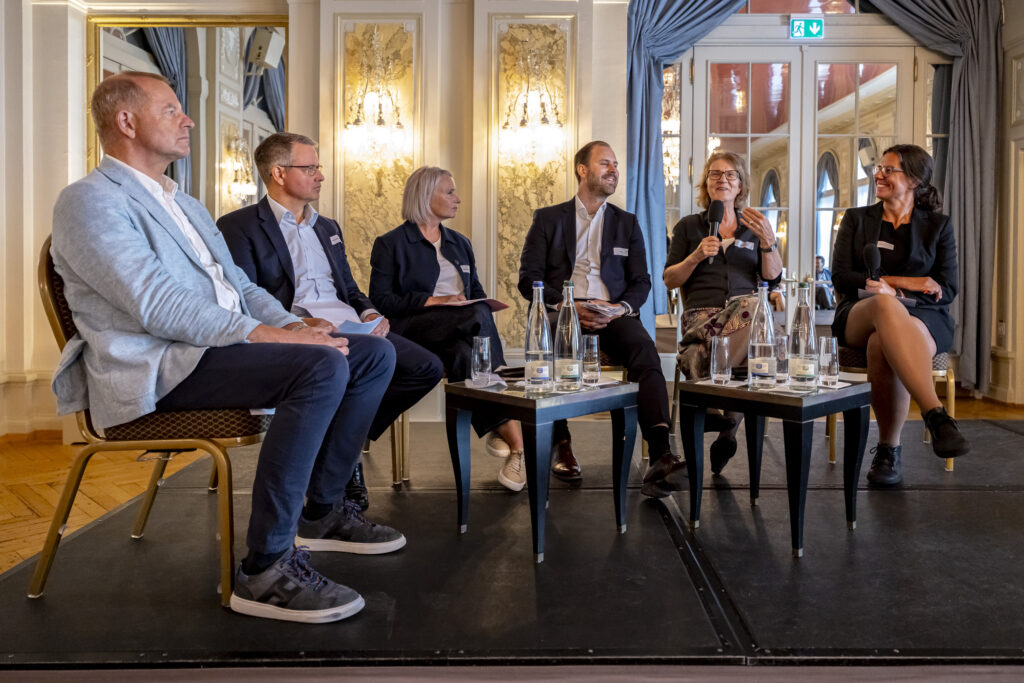
One statement that came up repeatedly during the discussions sums up the challenges of the coming years: “Environmental policy is resource policy is economic policy.” The transition to a sustainable and competitive economy will only succeed if resource issues are addressed in a more cross-sectoral manner in the future.
With this event, the ESM sought not only to look back on 75 years of the foundation’s history, but above all to look ahead. The goal remains the same: to generate knowledge, connect stakeholders, and build expertise in order to jointly develop viable solutions for a resilient and sustainable supply of critical raw materials. This requires continuous dialogue and close collaboration between academia, industry, politics, and government – now more than ever.